风起于扇:与千年雅韵对话的制扇人
Wind and Spirit in Fans: A Maker in Dialogue with a Millennium of Grace
在北京这座繁华都市的脉搏深处,在鳞次栉比的高楼之外,仍有手艺人潜心守护着时间的刻度。通州区静谧的神驹村,一座名为“高箑堂”的工作室隐于其间,古韵悠长。这里传出的“嘶嘶”的打磨声,仿佛是与历史对话的密语。这里不仅是传统扇艺的传承之所,更是一座连接古今、融合南北文化精髓的桥梁。近日,北京第二外国语学院阿尔巴尼亚留学生亨利便寻访至此,亲身体验了这项名为“郑高京扇”的非物质文化遗产。
Amidst Beijing’s urban pulse, beyond its forest of skyscrapers, craftsmen still keep the rhythm of time with their hands. In the quiet Shenju village of Tongzhou District, a studio named “Gaosha Hall” (Hall of Exquisite Fans) hides there with rich history. The soft “hiss” sound of polishing that whispers from within is like a coded conversation with the past. This is more than a workshop preserving the craft of fan-making — it serves as a bridge connecting the past and the present, blending the cultural essence of northern and southern China. Recently, Henry, an Albanian student from Beijing International Studies University, visited Tongzhou to experience Zheng Gao’s Beijing-style fans, an intangible cultural heritage.
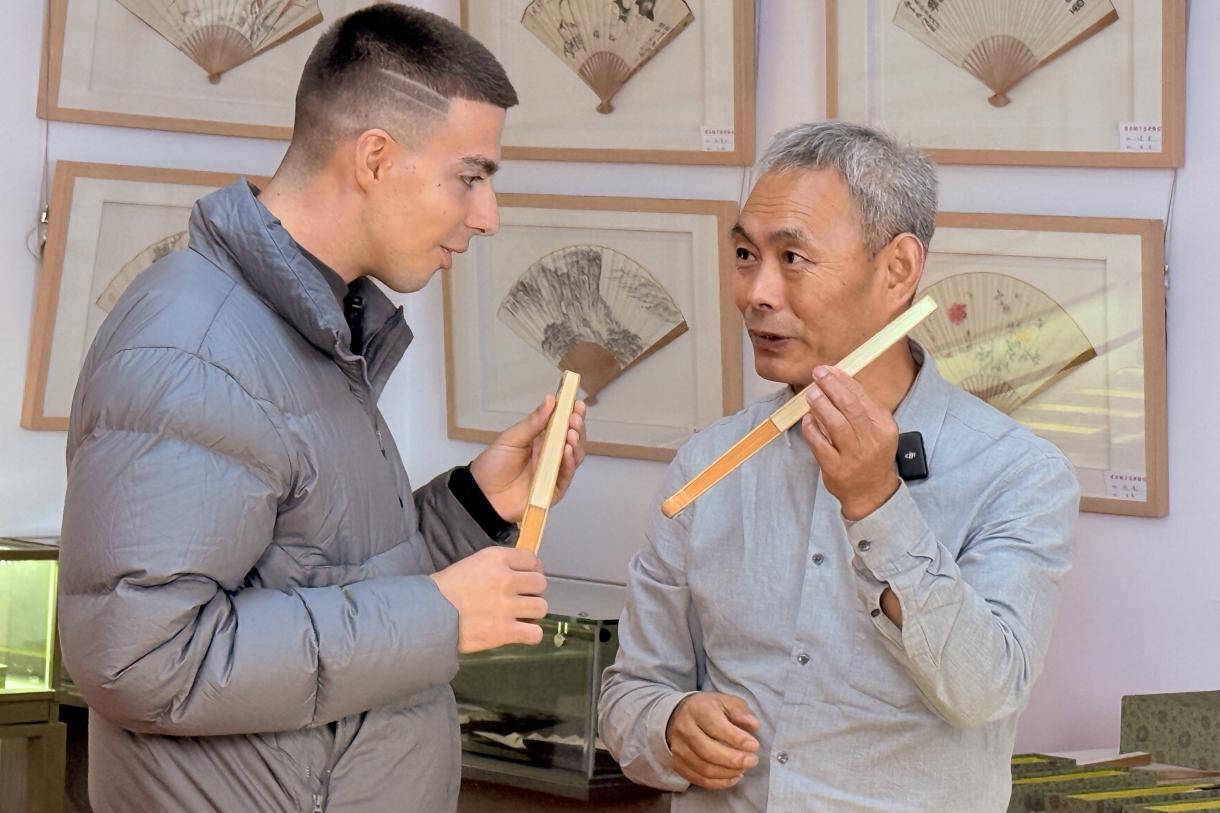
郑高老师向阿尔巴尼亚留学生亨利介绍中国扇文化历史
Mr. Zheng Gao introduces the history of Chinese fan culture to international student Henry
折扇之风雅,可追溯至宋太宗时期,于明代大放异彩,至清代及民国年间臻于艺术巅峰。北京扇子协会会长、北派制扇技艺代表性传承人郑高,自1984年师从洪钧陶大师研习折扇制作,至今已积三十余载功力。他所传承的“北派制扇技艺”于2022年入选国家级非物质文化遗产代表性项目名录,其文化价值不言而喻。其代表作品如“梅鹿合竹折扇”“玉竹燕尾折扇”等,不仅曾被国际奥委会官员收藏,亦屡次亮相于中央电视台等主流媒体。
The folding fans gained popularity during the reign of Emperor Taizong of the Song Dynasty, flourished in the Ming Dynasty, and reached artistic zenith in the Qing Dynasty and early Republic eras. Zheng Gao, Chairman of the Beijing Fan Association and representative inheritor of the Northern-style fan-making technique, began his apprenticeship under Master Hong Juntao in 1984, accumulating over 30 years of craftsmanship. The “Northern-style Fan-Making Technique” he inherits was inscribed in 2022 on the National Representative List of Intangible Cultural Heritage, a testament to its significant cultural value. His representative works, including folding fans of Meilu Mottled Bamboo (spots like sika deer) with double-sided polishing ribs and folding fans of Mao Bamboo with swallow-tailed head shape, have been collected by International Olympic Committee officials and featured on media outlets such as China Central Television (CCTV).
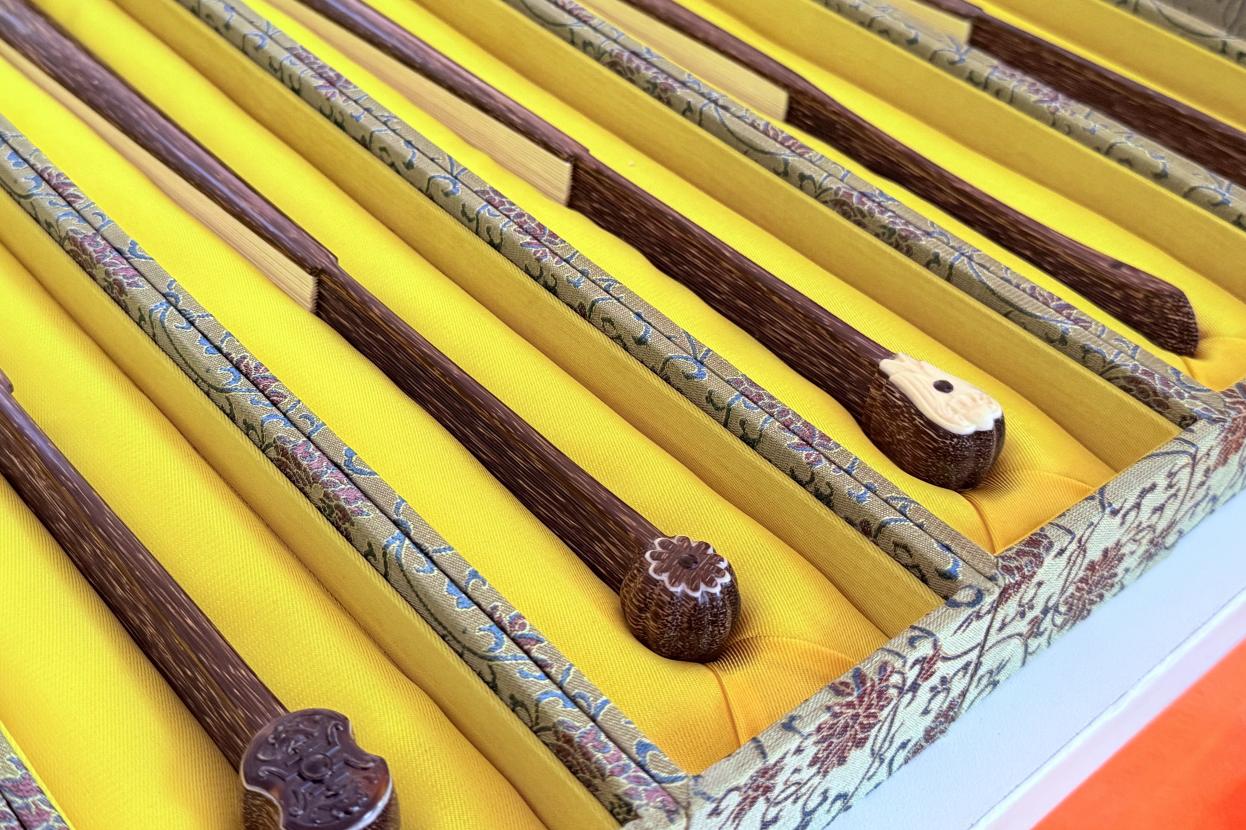
郑高的北派制扇作品构造精巧、图案雅致
The works of Zheng Gao’s Northern-style folding fans are exquisitely constructed and elegantly patterned
郑高先生的扇艺人生,始于一段不期而遇的缘分。上世纪80年代,因家境清贫,他辍学赴京做木工。在日复一日的劳作间隙,一次市集上的偶遇改变了他的命运——那些构造精巧、图案雅致、开合间风度自显的折扇,深深吸引了他。“最初只是好奇,没想到一做就是一辈子。”郑高回忆道。当第一把自制折扇售出,那份无与伦比的成就感,让他毅然决然地转行,从日薪三元的工地,投入到制扇的世界。他的人生轨迹,就此在扇骨的轻响中悄然改写。
Zheng Gao’s journey into the art of fan-making began with an unexpected encounter. In the 1980s, due to his family’s financial hardship, he dropped out of school and came to Beijing to work as a carpenter. During breaks from his daily labor, a chance sight at a market changed his life—those exquisitely crafted folding fans, with their elegant patterns and graceful presence when opened and closed, captivated him deeply. “At first, it was just curiosity, but I never thought it would become a lifelong pursuit,” Zheng Gao recalled. When his first self-made folding fan sold, the unparalleled sense of achievement inspired him to switch careers resolutelyleaving behind the construction site where he earned three yuan a day and stepping into the world of fan-making. The course of his life was quietly reshaped by the gentle whisper of fan-making.
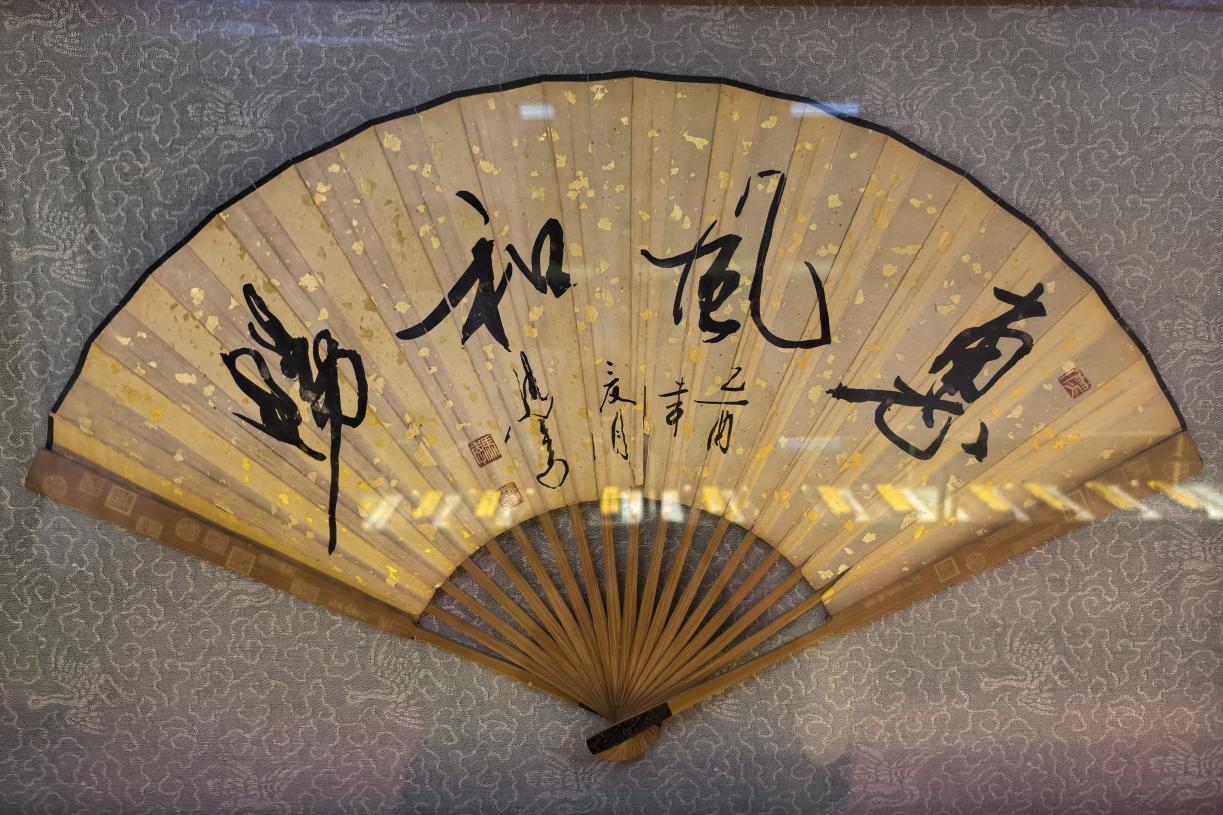
郑高为相声名家马季先生制作的折扇
The folding fan crafted by Zheng Gao for the renowned crosstalk artist Mr. Ma Ji
然而,从木工到扇匠的探索之路并非坦途。创业初期,他面临销路困顿与技艺瓶颈的双重夹击。凭着满腔热爱与不懈坚持,他在西直门桥边支起地摊,因缘际会之下,获得了马季先生等文化名人的题字与青睐,“郑高扇艺”逐渐在文化圈内崭露头角。为求技艺精进,他更南下苏州,在一家濒临解散的扇厂中“偷师”月余,将南派制扇的精细优雅融入北方的浑厚风格之中,最终淬炼出独树一帜的“郑高扇艺”。“南北技艺,各有千秋。我希望能博采众长,创造出既实用又美观的扇子。”郑高如是说。
However, the journey from carpenter to fan craftsman was far from smooth. In the early days of his career, he faced the dual challenges of limited sales and technical bottlenecks. Driven by unwavering effort and passion for fan art, he persisted in setting up a stall near Xizhimen Bridge. By a stroke of fortune, he gained the favor and calligraphic inscriptions of cultural celebrities such as Mr. Ma Ji, and “Zheng Gao’s Fan Art” gradually gained recognition in cultural circles. To further refine his skills, he made a special trip to Suzhou, where he “learned secretly” for a month at a nearly defunct fan factory. There, he absorbed the delicate elegance of the southern style fan-making techniques and integrated them with the bold northern style, ultimately forging the distinctive “Zheng Gao’s Fan Art”. “Northern and southern techniques each have their own strengths,” Zheng Gao said. “I hope to learn from each other’s merits, combine them, and create fans that are both practical and aesthetically pleasing.”

郑高组织北京扇子艺术协会并开设扇子艺术馆
Zheng Gao founds the Beijing Fan Art Association and establishes a Fan Art Gallery
岁月沉淀,匠心终成,如今“郑高扇艺” 已逐渐在业界享有盛誉。一次在荣宝斋的展览中,他的扇子不仅轰动琉璃厂,更被视为扇子文化复兴的讯号。杨再春等名家亲临支持,进一步将其推入主流文化视野。此后,他的扇艺不仅风靡内地,更随政府文化代表团远赴泰国、香港、台湾等地交流,将中国扇文化传播至世界各地。
As time passed and his craftsmanship refined, “Zheng Gao Fan Art” has gradually earned a distinguished reputation in the industry. At an exhibition at Rongbaozhai, his fans not only caused a sensation in Liulichang but were also regarded as a sign of the revival of fan culture. Famous artists such as Yang Zaichun attended to show their support, further propelling his work into the mainstream cultural spotlight. Since then, his fan art has not only been popular in mainland China but has also been featured in exchanges with government cultural delegations to Thailand, Hong Kong, Taiwan, and other regions, spreading Chinese fan culture worldwide.
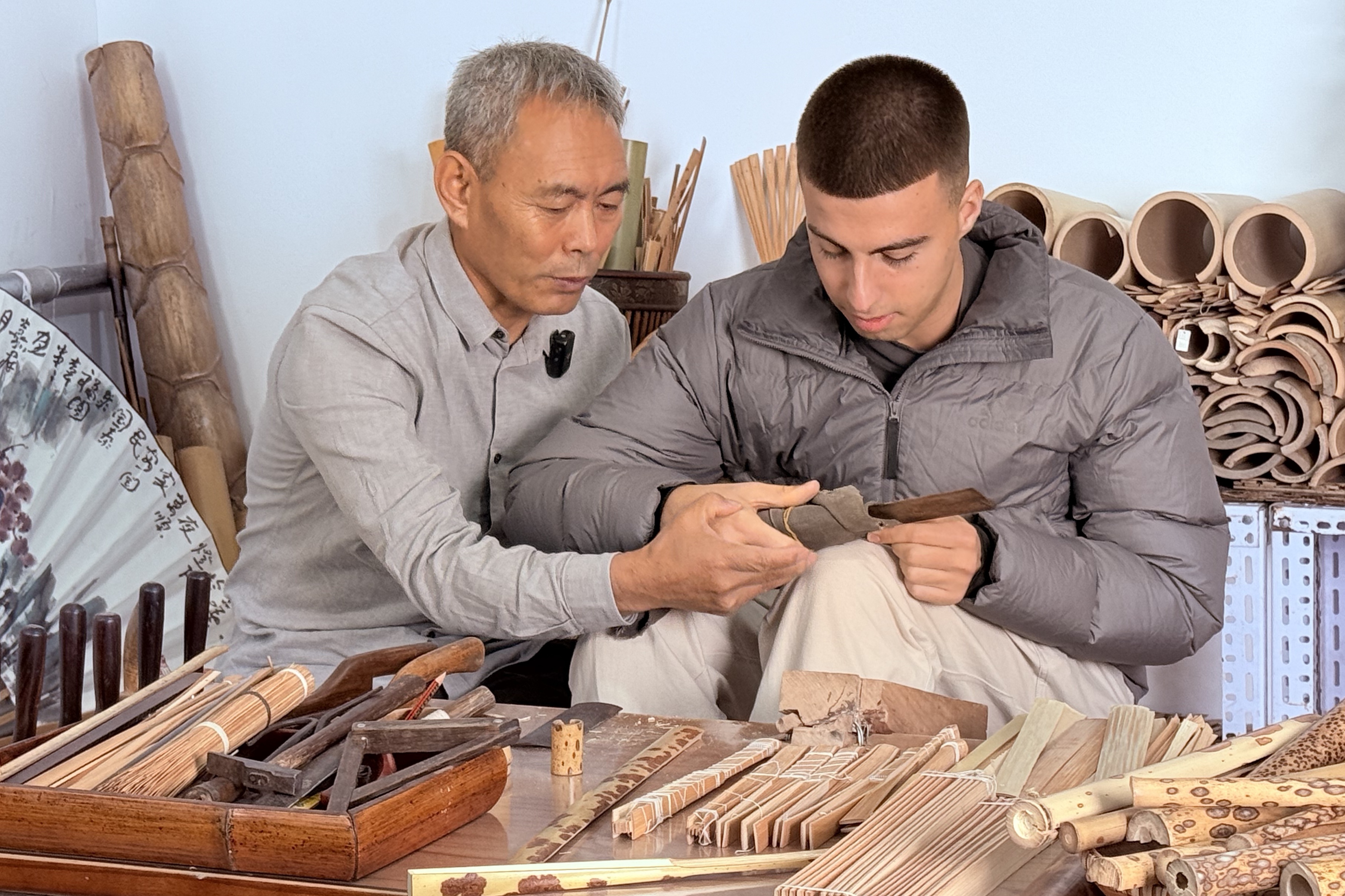
郑高老师悉心教授亨利制扇工艺
Mr. Zheng carefully instructs Henry in the craft of fan-making
“扇子在中国有数千年历史,它是文化的载体,更是艺术的结晶。”郑高自豪地说,“我希望通过我的努力,让更多人了解并爱上中国的扇子文化。”在体验制扇时,阿尔巴尼亚留学生亨利面对看似简单的步骤不禁感叹:“实践起来景如此之难!”在多次尝试后,他才成功打磨出一片合格的扇骨。郑高先生在旁温和解释道:“有时一个动作就得练习数月,这也是一把好扇子何以需要七年光阴来成就的缘由。”
“Fans have a history of thousands of years in China. They are carriers of culture and crystallization of art,” Zheng Gao said with pride. “Through my efforts, I hope more people will understand and fall in love with Chinese fan culture.” While experiencing fan-making, Albanian student Henry couldn't help but exclaim at the seemingly simple steps: “It's incredibly difficult in practice!” After multiple attempts, he finally succeeded in polishing a single fan rib. Mr. Zheng Gao gently explained beside him, “Sometimes a single movement requires months of practice—that’s why it could take seven years to complete a fine fan.”
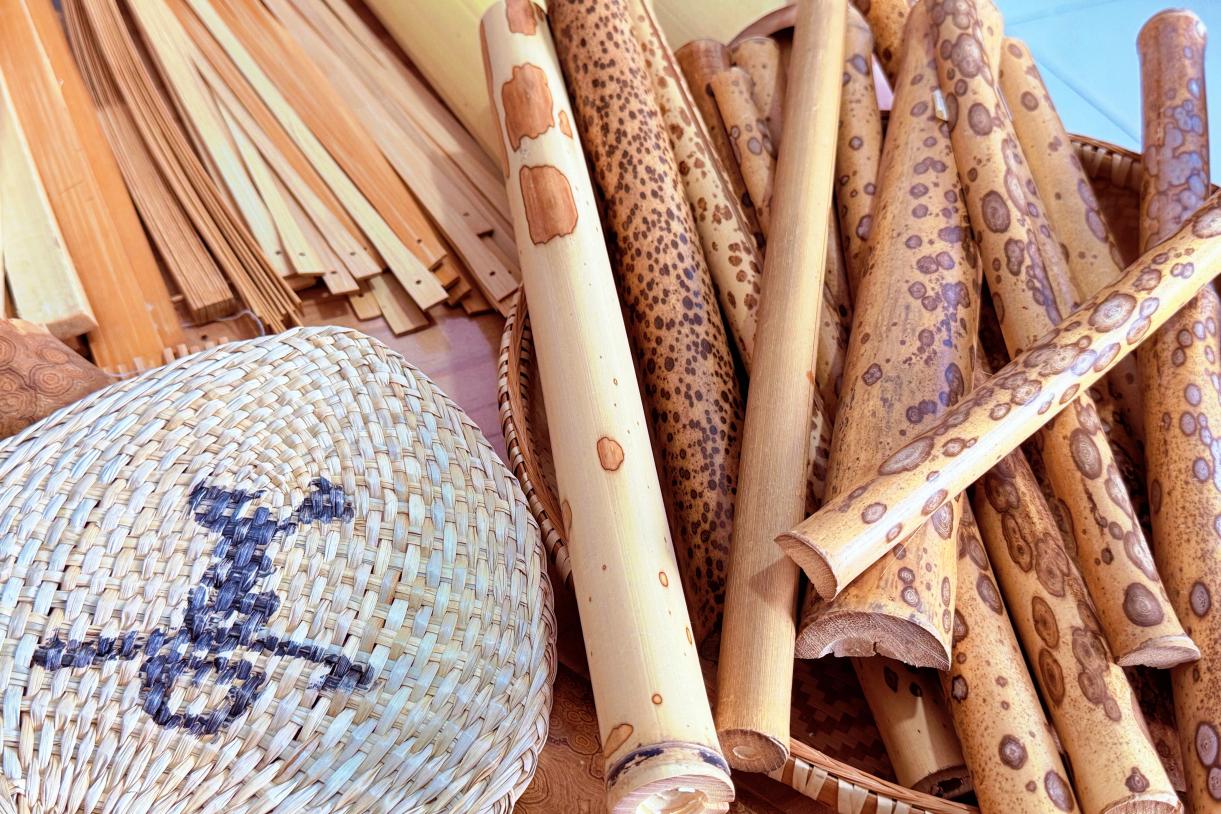
手工制扇对扇骨材质的选择和工艺要求非常严苛
Fan making demands exceptional materials and precise craftsmanship for its ribs
面对现代工业浪潮对传统手工艺的冲击,郑高深感非遗传承任重道远。他不仅坚守于工作室埋首创作,更主动走进社区与大学,举办讲座与交流活动,无私传授技艺;同时,他牵头成立北京扇子艺术协会,连年举办扇子文化节、端午赠扇等活动,致力于唤醒公众对扇子文化的认知与热爱。
Facing with the impact of modern industry on traditional craftsmanship, Zheng Gao deeply understands the importance of responsibility in preserving intangible cultural heritage. He not only remains dedicated to handcraft folding fans at his studio but also actively steps into communities and universities, giving lectures and organizing exchange activities, to pass on his skills selflessly. Additionally, he has taken the lead in establishing the Beijing Fan Art Association, organizing annual Fan Culture Festivals and Dragon Boat Festival Fan-Gifting events to enhance public awareness and passion for fan culture.
谈及未来,郑高怀抱着朴实而深远的心愿:“我希望‘郑高扇艺’能够继续发扬光大,让更多人领略中国扇文化的魅力。更希望年轻一代能够接过传承的接力棒,让这份宝贵的文化遗产薪火相传。”
When speaking of the future, Zheng Gao holds a simple yet profound wish: “I hope ‘Zheng Gao’s Fan Art’ will continue to thrive, allowing more people to understand and appreciate the charm of Chinese fan culture. Even more, I hope the younger generation will take over the baton of inheritance, ensuring this precious cultural heritage is passed down from generation to generation.”
在“高箑堂”里,每一道精准的弧线都诉说着匠心,每一笔用心的墨迹都承载着文脉。这已不止是一门手艺的传承,更是一场无声的文化扇舞。这里的扇子,早已超越纳凉之具,成为连接古今、传递东方美学的使者。诚如郑高所言:“扇子虽小,却能扇动千年风雅。”未来,“郑高扇艺”必将继续以匠心独运之姿,为这曲悠长的文化乐章,舞出更为璀璨的篇章。
Inside the Gaosha Hall, every precise curve speaks of craftsmanship, and every careful brushstroke carries the weight of cultural heritage. This is more than just the inheritance of a craft—it is a silent cultural dance performing with fans. The fans here have long transcended their function as mere tools for cooling, becoming messengers that connect the past and present, while conveying Eastern aesthetics. As Zheng Gao aptly puts it: “Though small in size, a fan can stir the elegance of thousands of years of culture.” In the future, “Zheng Gao’s Fan Art” will undoubtedly continue to shine with its unique craftsmanship, dancing into a more splendid cultural chapter to this enduring cultural symphony.